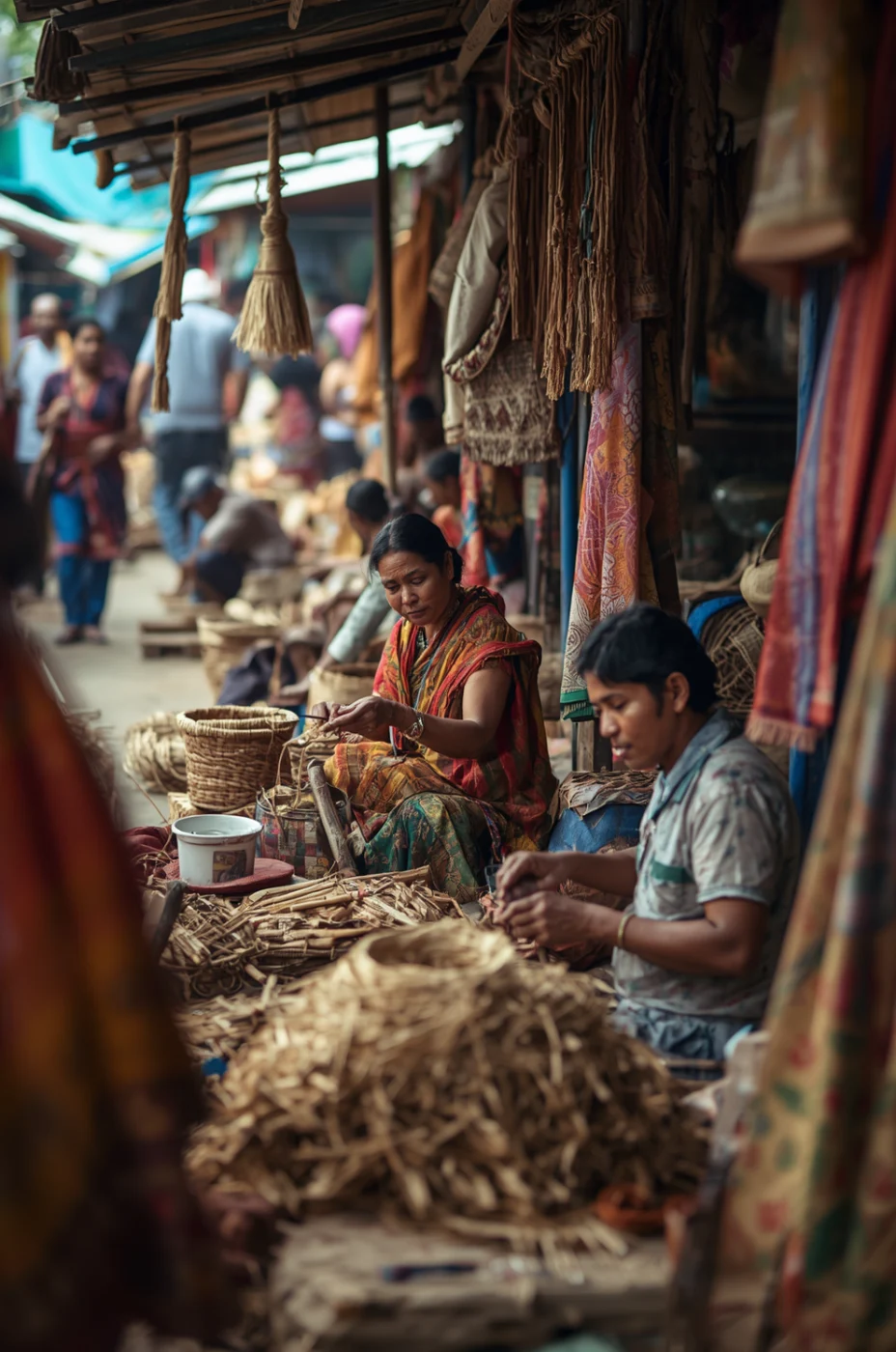
Dumbara Weaving Takes Centre Stage: Reviving a Six-Century Textile Tradition
After decades of decline, the ancient geometric weave of the Dumbara Valley is being recognised again as one of Sri Lanka's most distinctive textile crafts.
The weavers of the Dumbara Valley have once again drawn national attention, as a new generation of artisans revives a textile tradition that dates back to the Kandyan kingdom. This marks the strongest resurgence for the craft in living memory.
The technique, passed down within a small number of weaving families for over six centuries, is instantly recognisable by its bold geometric motifs — elephants, peacocks, and lotus flowers rendered in raw, undyed cotton on a wooden frame loom. Each piece can take a skilled weaver several days to complete.
What sets Dumbara weaving apart is the meticulous attention paid to pattern and proportion. Weavers spend years learning to read a design purely by counting threads, with no written pattern to guide them — a mental discipline passed from mother to daughter for generations.
The secret, many weavers say, is patience. A single ceremonial mat can take up to two weeks on the loom, worked in short daily sessions using cotton grown and hand-spun in the surrounding villages. The result is a textile with a texture and durability that machine-loomed cotton simply cannot replicate.
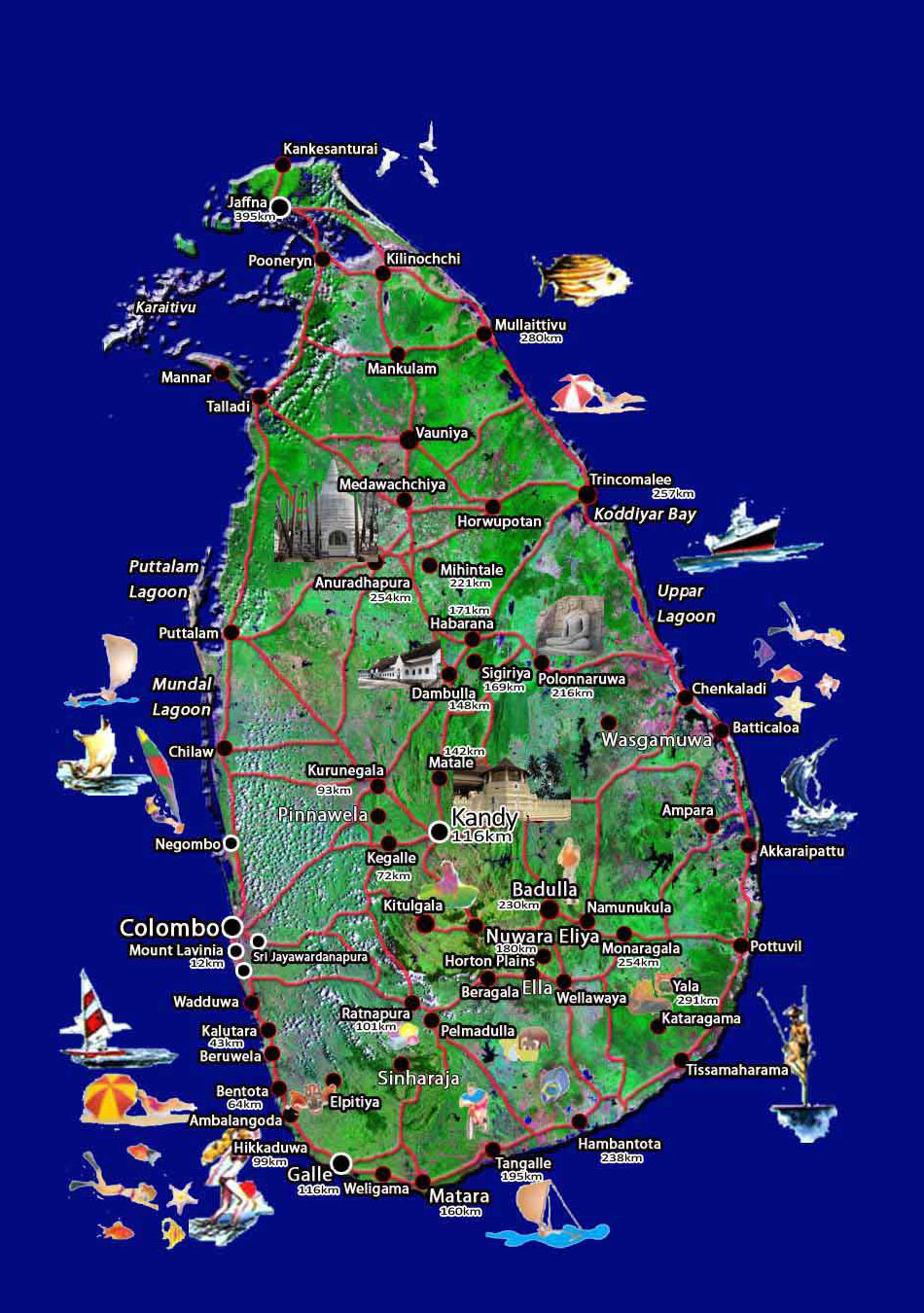
Global Sri Lankan Handicraft Exports Hit Record High as International Appetite Grows
Sri Lanka's Export Development Board reports a 34% year-on-year increase in handicraft exports, driven by surging demand across North America, Europe, and the Middle East.
Read article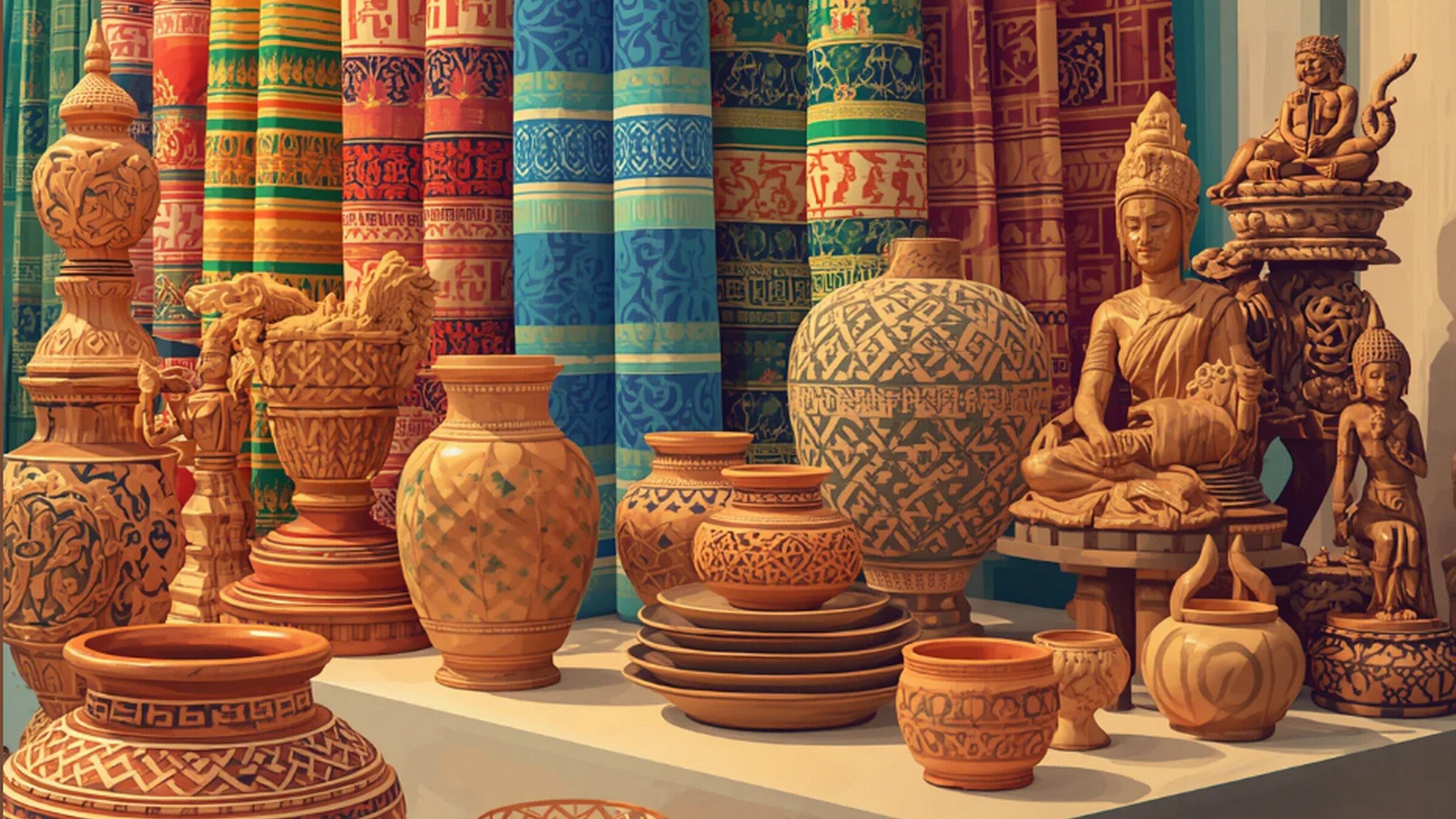
The Chemistry of Glaze: Why Traditional Ceramic Finishes Endure for Generations
New materials science is challenging long-held assumptions about ceramic glazes. Traditional ash-and-mineral finishes tell a very different story from modern synthetic coatings.
Read article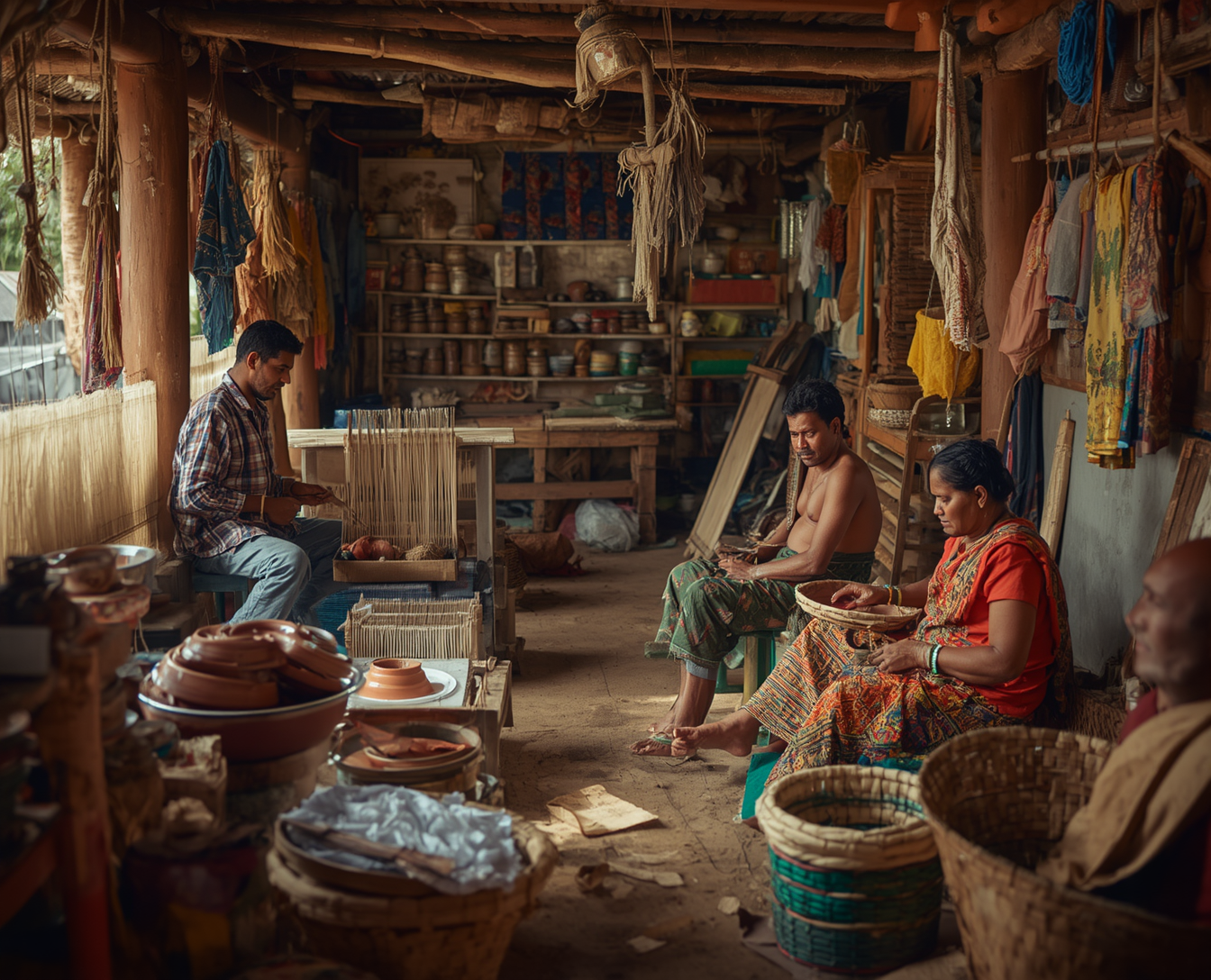
Sapphire Formation Decoded: The Geology Behind Sri Lanka's Gem Riches
A deep dive into the geological science that makes Ratnapura's gem gravels uniquely capable of producing world-class sapphires — and why it cannot be fully replicated elsewhere.
Read article