Global Sri Lankan Handicraft Exports Hit Record High as International Appetite Grows
Sri Lanka's Export Development Board reports a 34% year-on-year increase in handicraft exports, driven by surging demand across North America, Europe, and the Middle East.
Sri Lankan handicraft exports reached a record 6,200 tonnes-equivalent in the fiscal year ending March 2025, according to figures released by the Sri Lanka Export Development Board — a 34% increase over the previous year and more than triple the export volume of five years ago.
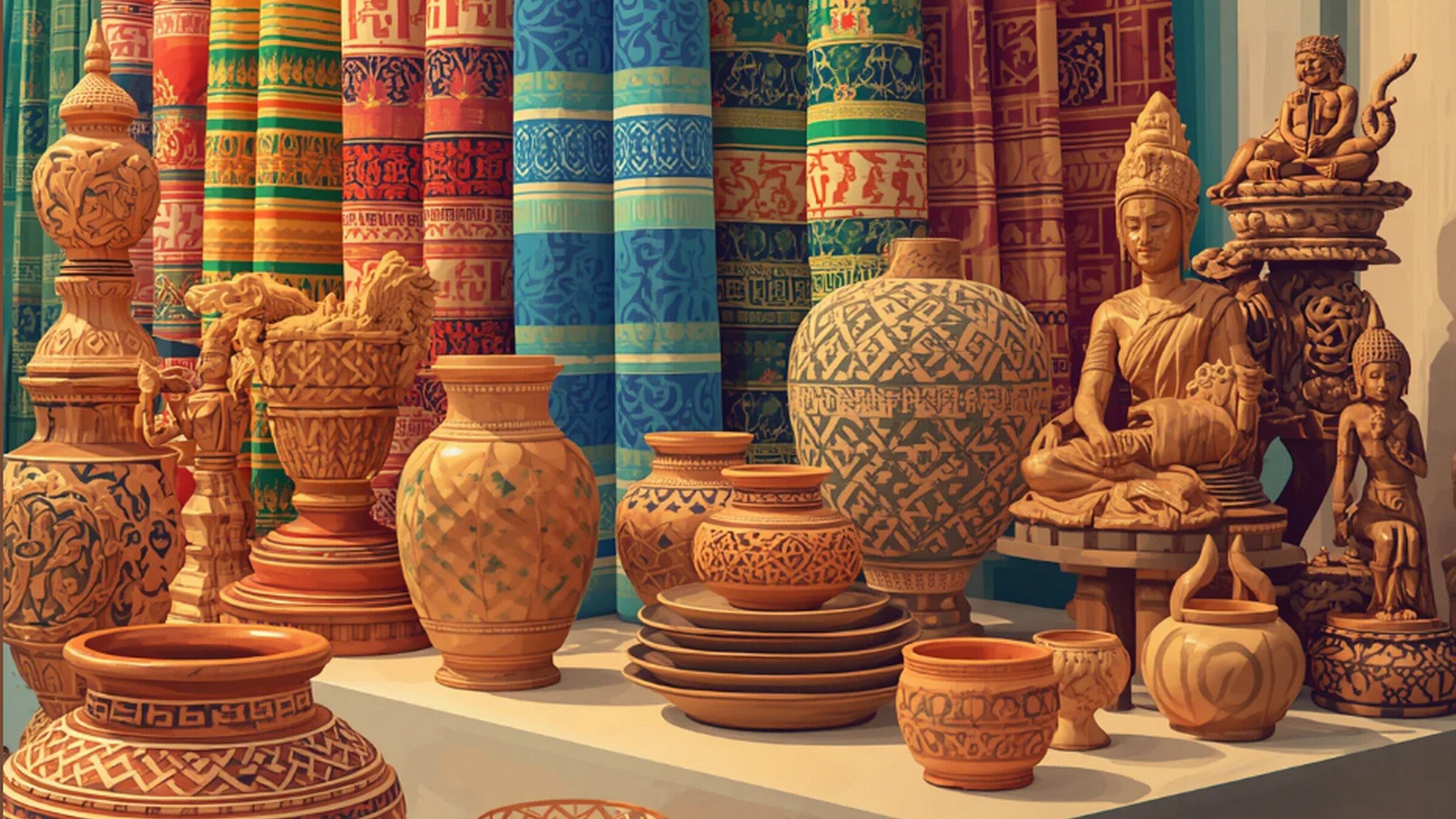
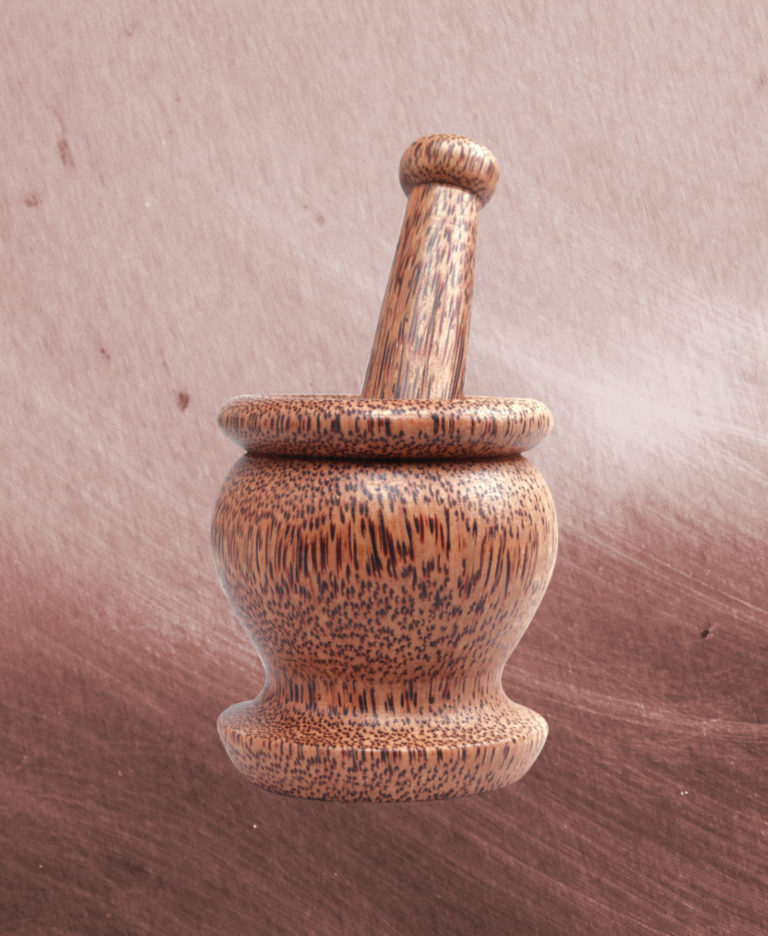
The surge is being driven by a combination of factors: a favourable exchange rate making Sri Lankan exports more competitive, growing interest in ethically sourced handmade goods in key markets, and — perhaps most significantly — the mainstreaming of artisan-made décor as a category among premium retailers worldwide.
North America remains the largest single export destination, accounting for 38% of total volume. But the fastest growth is coming from the Middle East, where handicraft exports grew by 62% year-on-year, driven by demand from premium hospitality and retail projects in Dubai, Abu Dhabi, and Riyadh.
The industry association has responded by tightening certification requirements for exported goods, requiring full traceability documentation from workshop to export certificate. "We have to protect the brand globally," said association chairman Anura Gunawardena. "The reputation of Sri Lankan craftsmanship has taken decades to build. We will not allow it to be diluted."
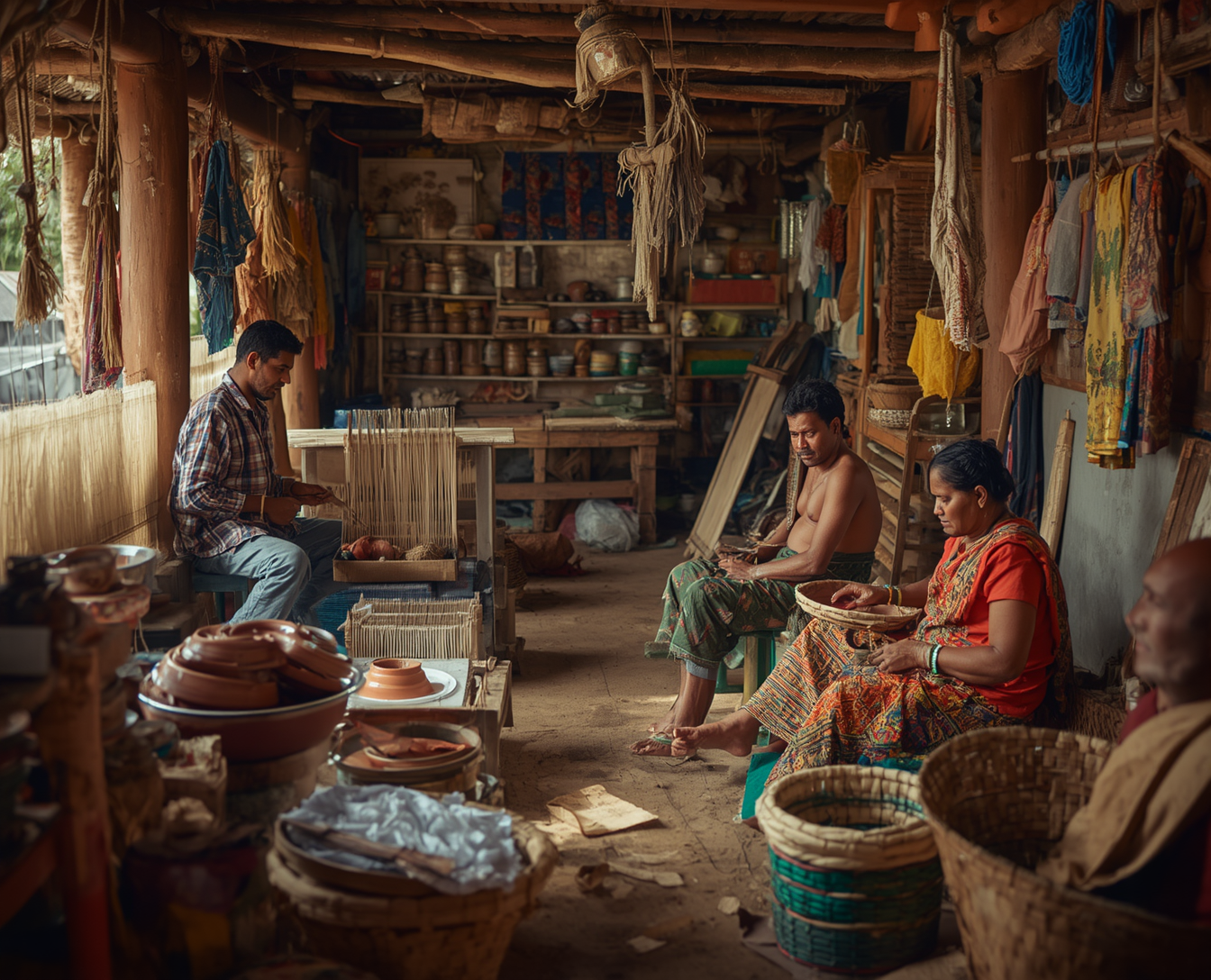
The record exports have also prompted domestic debate about supply and quality. Several regional artisan collectives have raised concerns that rapid export growth could put pressure on skilled artisan availability and, over time, incentivize workshops to prioritize volume over the quality standards that define the category.