Zero-Waste Woodcraft: A Kandy Workshop's Blueprint for the Industry
One workshop in the Sri Lankan hill country has achieved what the broader industry once considered impossible: fully zero-waste premium woodcraft at scale.
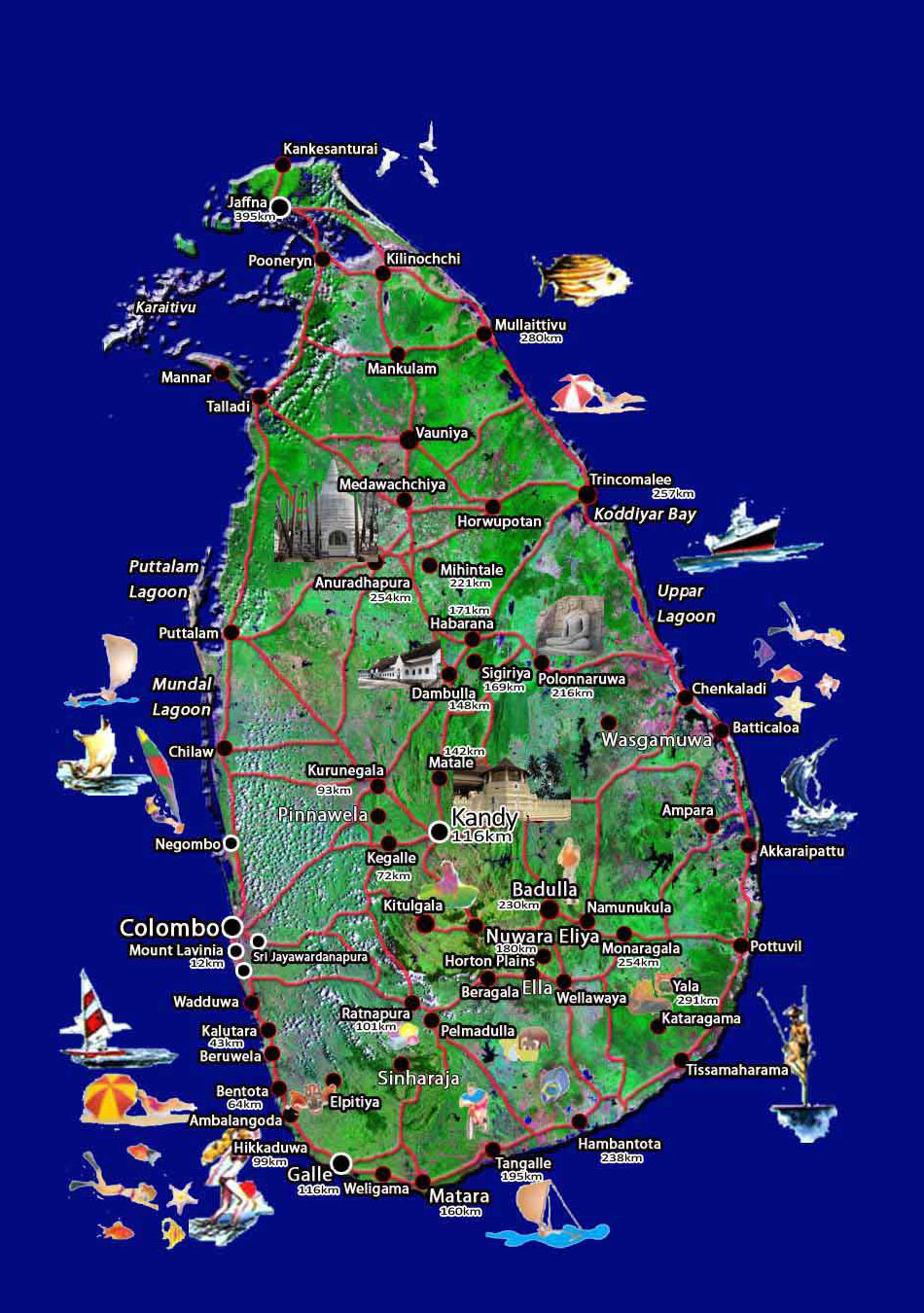
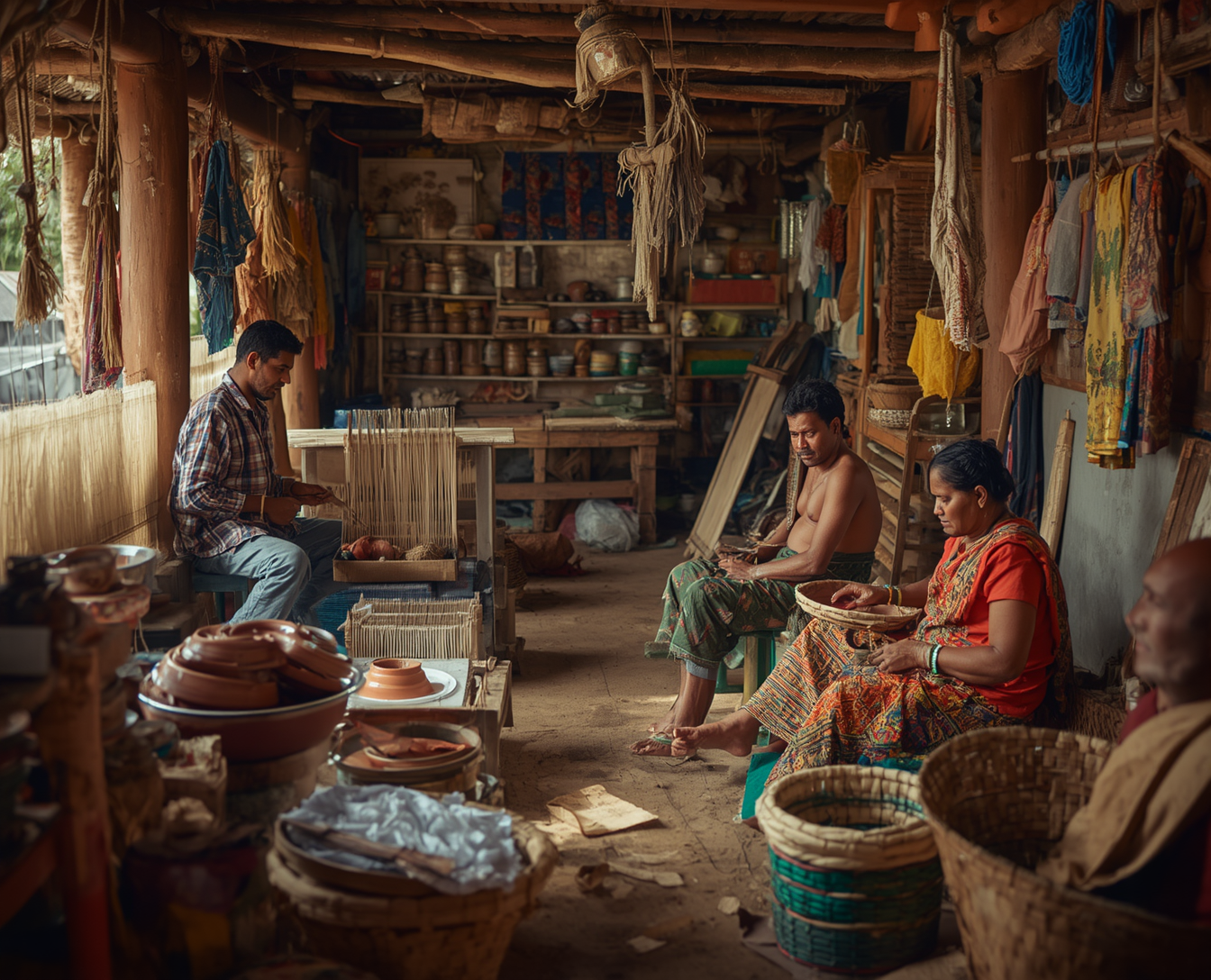
When Priyantha Wickramasinghe inherited his family's woodcarving workshop in Kandy six years ago, the waste accounting looked bleak. Like most craft operations, the workshop was a significant net waste generator — offcuts from carving, sawdust from sanding, and unusable timber from poor initial cuts.
Today, the Wickramasinghe workshop is certified zero-waste by the Sri Lanka Environmental Association. It didn't happen overnight, and it didn't happen cheaply — but Priyantha argues it was the single best business decision he ever made.
The changes were systematic. First, the material flow: by shifting to a cutting plan that nests each carving pattern against the last, minimizing offcuts, the workshop cut its raw timber waste by more than half.
Second, energy: a 40kW solar installation combined with a sawdust-briquette generator now produces 110% of the workshop's electrical needs, with the surplus sold back to the Kandy grid.
Third, sourcing: by implementing a replant-for-every-harvest partnership with local sandalwood growers, Wickramasinghe has helped establish an estimated 1,800 new saplings per year.
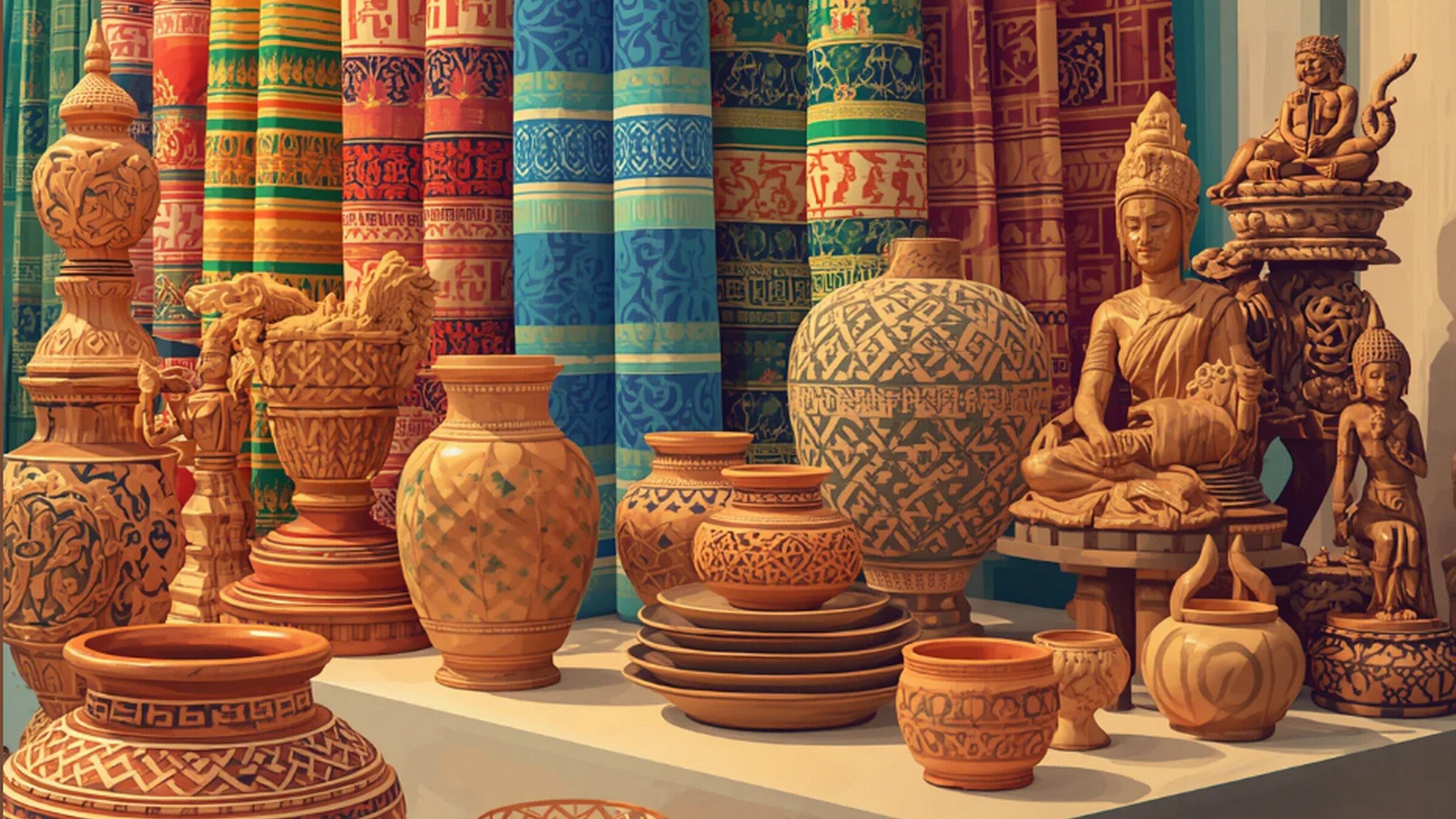
The market has responded. Wickramasinghe's carvings now command a 15% premium over conventional workshop pieces from the same region, with waiting lists at every retail partner.