From Kandy with Pride: A Journey Through Sri Lanka's Woodcarving Workshops
We travel to the hill workshops around Kandy to meet the families who have preserved the art of Buddha-statue carving for over a century.
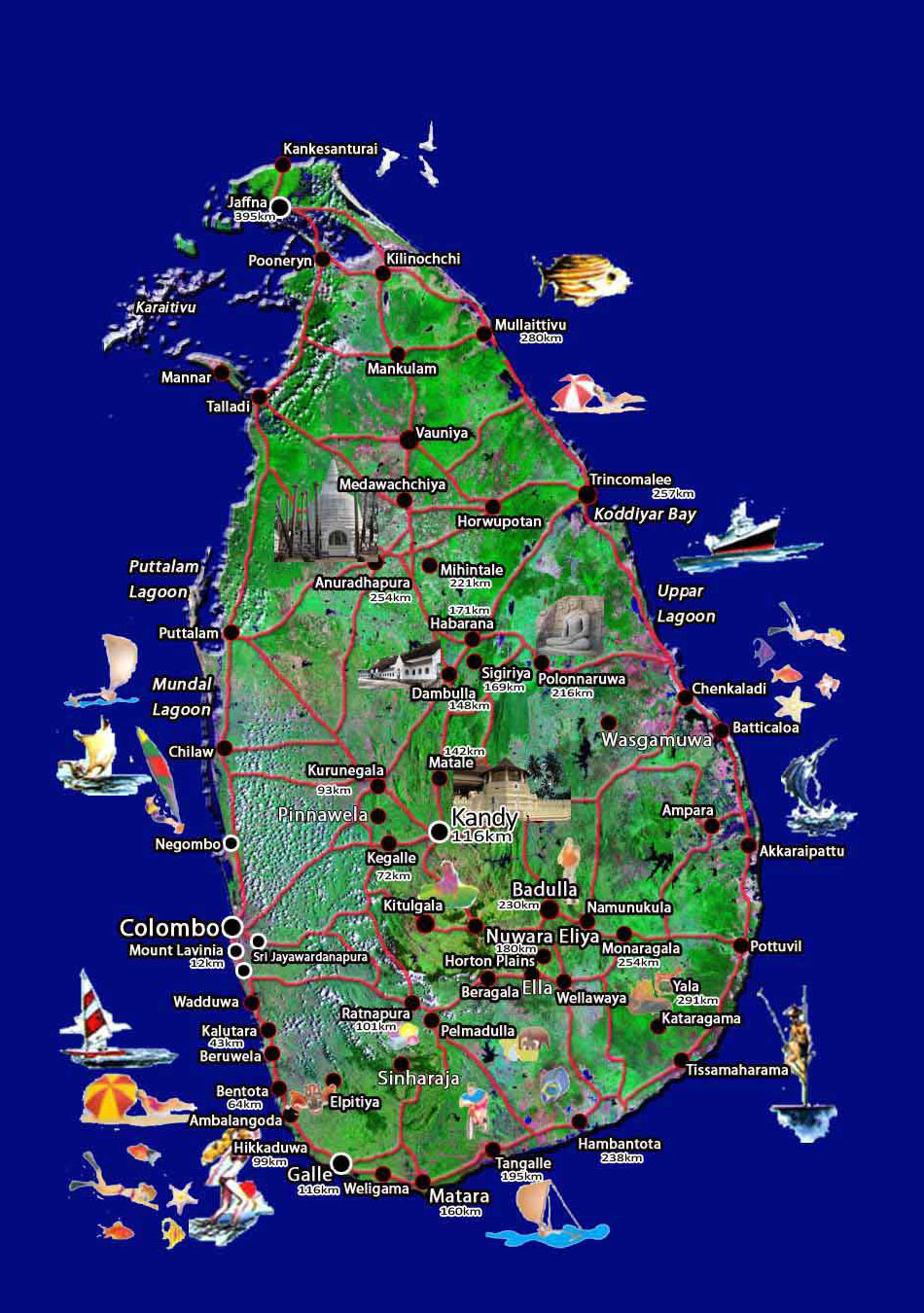
The road to the carving villages outside Kandy winds through cinnamon groves and terraced paddy fields, past temples so old their wooden eaves have greyed with age. This is the hill country — home to the most rigorous woodcarving tradition on the island, and the birthplace of Sri Lanka's finest sandalwood Buddha statues.
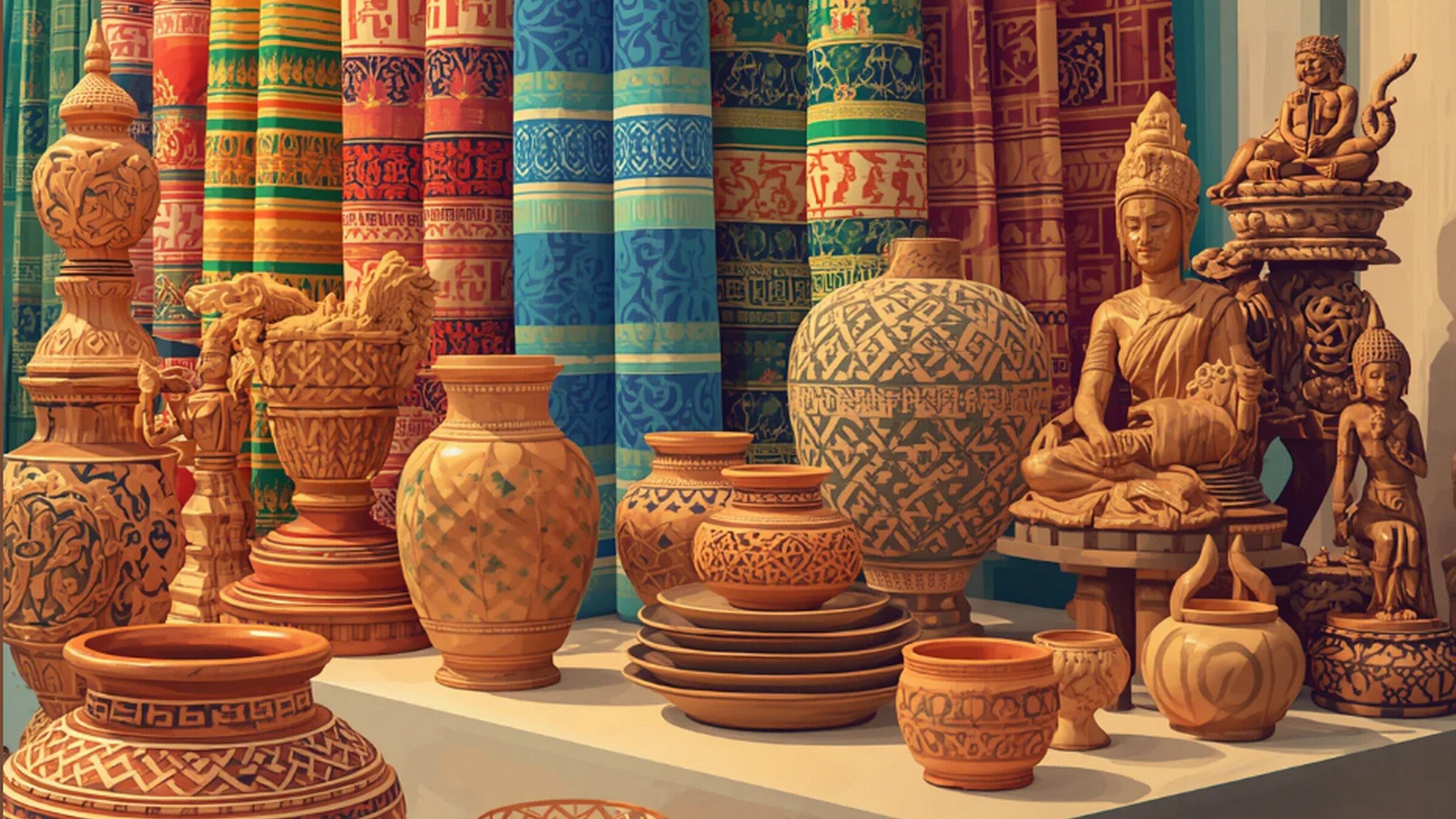
A hand-carved statue from this region is not simply a product; it is the result of a discipline passed down through generations. To be considered a master carver, an artisan must train for over a decade under a senior craftsperson, learning to read the grain of sandalwood, teak, and ebony before ever touching a chisel to a commissioned piece.
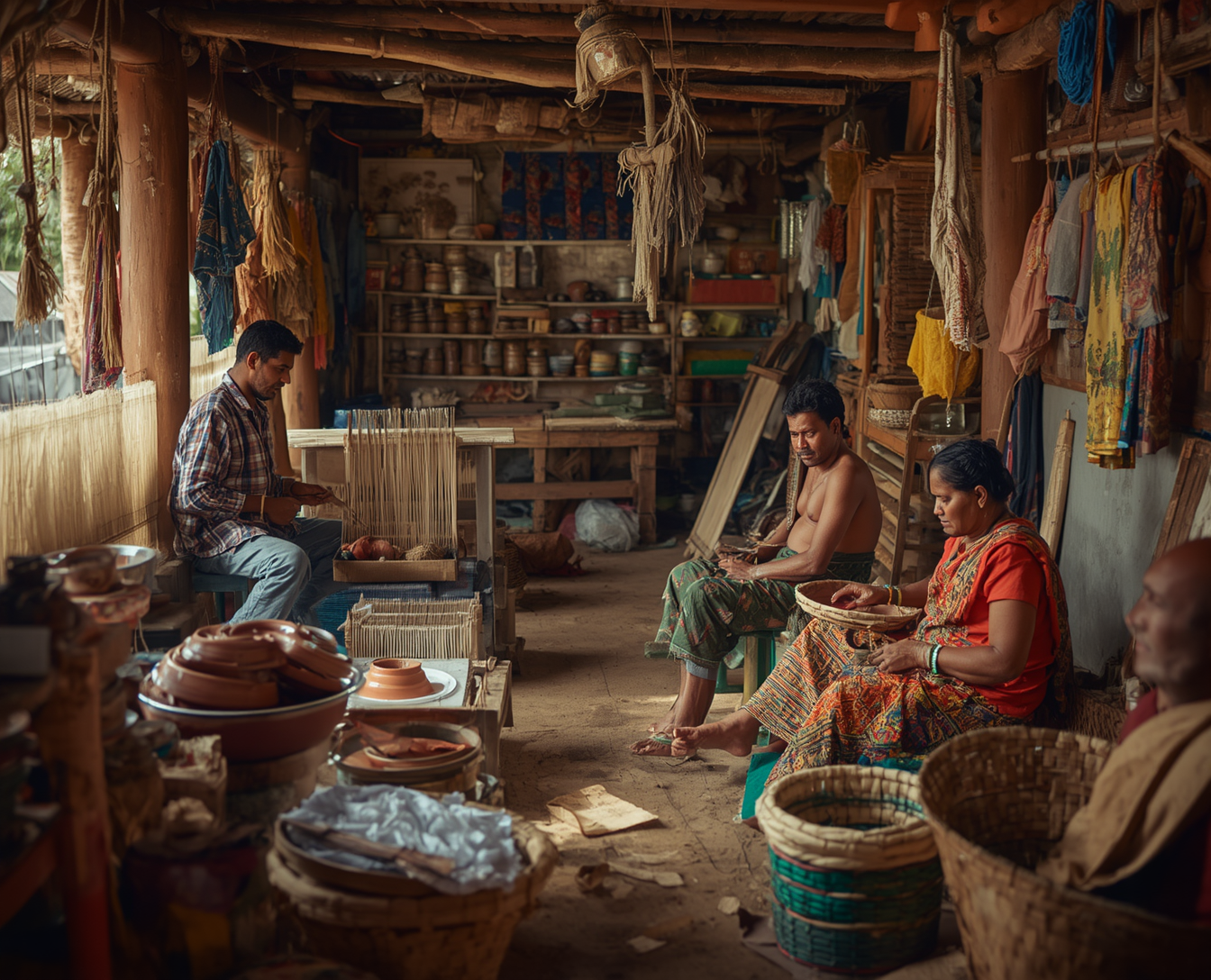
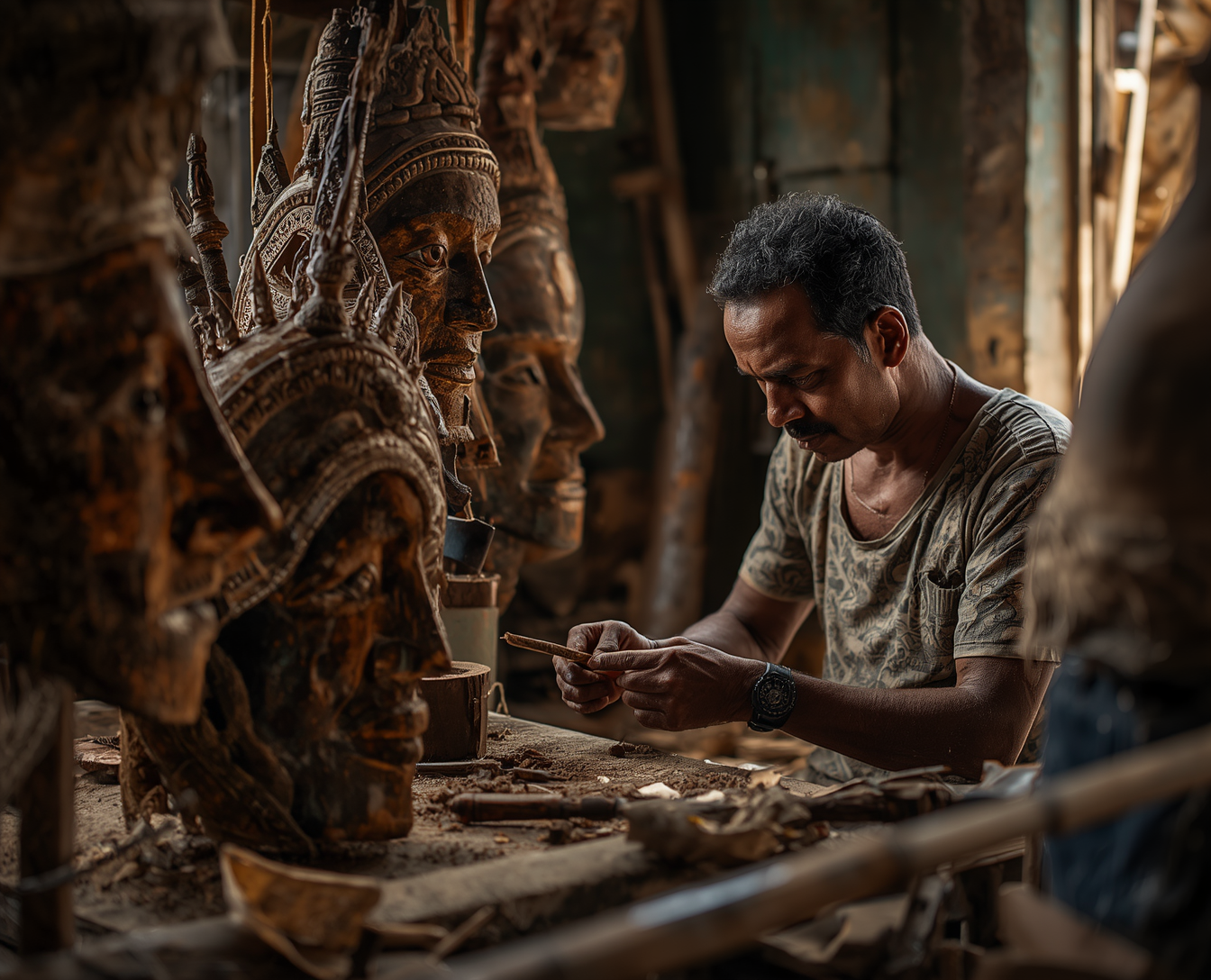
We visited the Perera family workshop in Kandy, a fourth-generation operation that still practices the traditional technique of hand-polishing every statue with beeswax — a finishing method that gives the wood a faint, warm lustre beneath its natural grain.
"My grandfather always said the wood remembers the carver's patience," said Sunil Perera, 58, surveying his workshop. "If you rush, it shows. Good carving requires the same care as raising a family."