Sustainable Craft: Defining the Future of Ethical Sri Lankan Artisan Production
How modern Sri Lankan artisan workshops are combining traditional ethics with environmental precision to ensure a sustainable future for handmade craft.
Craft production has long been synonymous with meticulous care — but in the 21st century, that care is extending beyond the workshop bench to encompass the forest, the river, and the generations that follow.
A new cohort of Sri Lankan artisan workshops is pioneering what they call "precision sustainability" — a practice that marries the ancient art of hand-craft with cutting-edge environmental monitoring, sustainably sourced timber, and rigorous waste accounting.
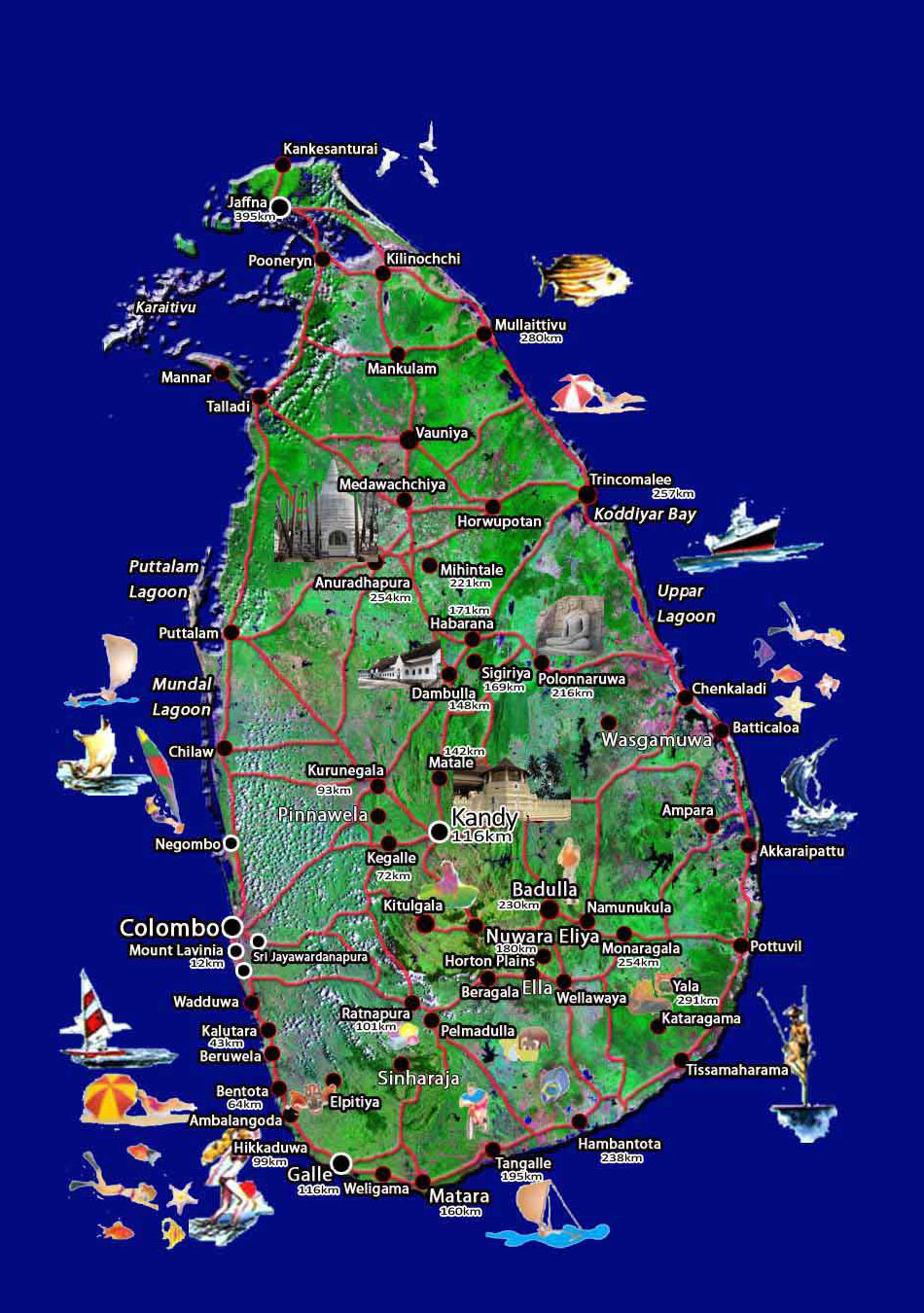
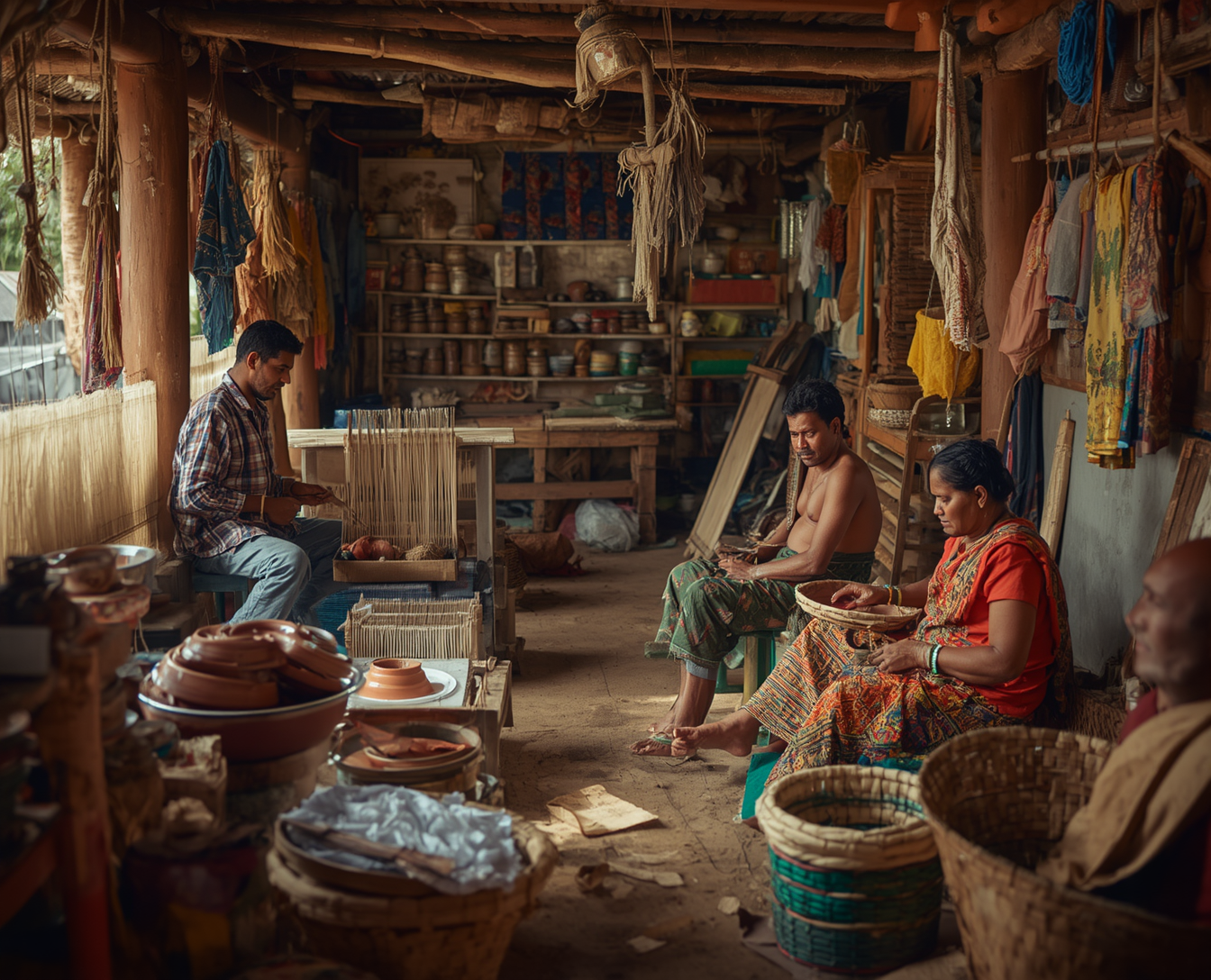
At a woodcraft collective in Kandy, solar panels power every workshop building on the compound. Sawdust and offcuts are captured and converted into pressed fuel briquettes, which in turn fuel the workshop's kiln-drying facility. The collective's net waste footprint, according to an independent audit, is 40% lower than the regional handicraft industry average.
"We believe the finest craftsmanship and the healthiest forest are not in conflict — they are the same goal," says workshop director Nimal Rathnayake. "Timber that is over-harvested, from a depleted forest, poorly seasoned, will never carve well. Sustainability is not a constraint on quality. It is the foundation of it."